




Why AI Isn’t a Replacement for Strong Revenue Culture
Published:


AI has created a massive amount of leverage, but without the right culture that leverage is wasted.
And when I say culture, I don’t mean pizza parties or happy hours (although those are dope too). I’m talking about the shared beliefs, values, and operating principles that shape how teams show up every day. It’s the difference between a team that embraces new tools with curiosity versus one that resists every change. Culture is the foundation that makes innovation sustainable — and the real driver of long-term revenue success.
Artificial Intelligence can deliver real-time forecasting, instant lead scoring, and scalable personalized outreach to create faster and stronger revenue teams. But even with all these advanced AI tools, revenue teams are still dealing with misalignment, mistrust, and those pesky organizational silos. The missing piece? It's culture. If teams want to actually unlock AI's full potential, they need to tackle the human stuff that no algorithm can fix.
The culture of your revenue team is the key to fixing those underlying issues that continue to keep teams out of sync and leave money on the table.
What building a stronger revenue culture means for your business
Having a clear culture around revenue is crucial for AI programs, organizational growth, and pretty much everything else, but what does that actually look like for your business? Revenue culture comes down to three things: a shared mindset, operating discipline, and execution rhythm.
Uniting your RevOps, Sales, Marketing, and revenue teams under defined, clear goals starts with:
- Shared data → One source of truth.
- Consistent cadences → Structured, repeatable performance.
- Clear accountability → Tying roles directly to outcomes.
- Cross-functional trust → Acting as a team, rather than opponents.
- AI-led execution → Insights turned into action in real time.
When culture is strong, AI becomes a multiplier. When it's weak, AI just mirrors those same silos. Once your revenue team gets siloed, the only real fix is getting back to basics and realigning around your core culture to rebuild how the team works. This doesn't need a big reorganization or shiny new tools. It just needs strong leadership and the flexibility to actually change things before you scale or roll out AI. Gamma modeled this by embedding Revenue Cadences into its operating rhythm, creating a shared structure for how teams review deals, forecast, and collaborate. That cadence-driven discipline not only improved performance but also reinforced a culture of accountability and alignment across the business.
The illusion that AI is a fix-all for revenue teams
Revenue teams have no shortage of AI tools at their fingertips for everything from pipeline forecasting to suggesting next moves on a deal, but execution gaps still exist. In fact, up to 30% of pipeline disappears because of internal misalignment, not external factors.
Many organizations have tried plugging these holes with AI tools that record sales calls, forecast with crazy accuracy, or just send reminders about upcoming deal steps. But without the right cultural foundation, these tools often fall flat. Recording calls doesn't help if no one actually goes back to review them, forecasting only works if everyone's capturing data consistently, and reminders are useless if the suggested actions are off base.
AI is definitely revolutionizing teams, but only the ones that are setting themselves up for AI success in the first place.
The cost of inconsistency in revenue organizations
Just like trying to plug holes with AI tools, revenue teams love chasing "quick fixes" for a dysfunctional culture. Adding another tool, shuffling teams around, and throwing AI at the problem might work temporarily, but those long-term issues will keep popping back up. Sellers are overwhelmed by sales technology which can risk the likelihood of productivity and meeting quota.
It's pretty clear that giving sellers new tools isn't always going to solve deep-rooted cultural problems. If your revenue team isn't on the same page, AI is just going to make tool sprawl, fatigue, and messy execution even worse.
Establishing a stronger revenue culture
Culture starts with leadership and consistent processes. In a survey of 400 enterprise CROs, CSOs, and RevOps leaders we discovered that:
- Only 34% have established revenue frameworks.
- 66% report ineffective collaboration across teams.
- 67% don’t trust their data.
Trust, shared frameworks, and accurate data are what you need to build a revenue culture that actually delivers results. Whether you're creating clearer communication between teams, boosting collaboration, or getting people to actually trust the data, these changes have to start from the top.
But here's the thing: you can't just pile on more processes without considering how swamped your sellers and managers already are. That'll only create more chaos, especially when you add AI into the mix. Since these are the people actually hitting quota and driving growth, getting their buy-in early is crucial. They're not just part of the process - they help define your revenue culture.
Culture is the real competitive advantage
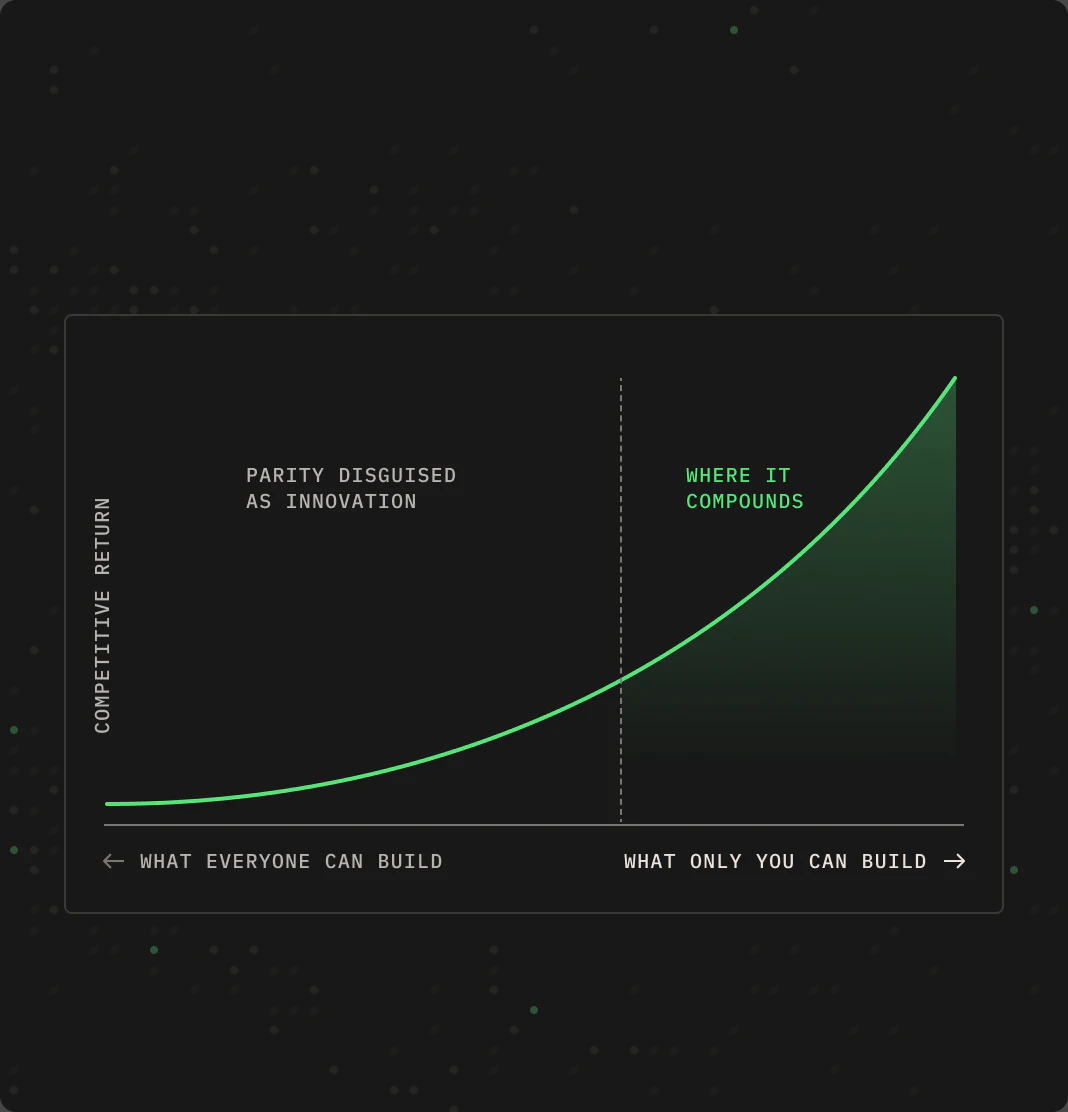
AI speeds things up and playbooks keep everyone consistent. Forecasting helps you focus on the right deals at the right time. But culture is what's going to give you the real competitive edge. Taking time to build your revenue org on solid ground and getting your various teams to actually trust each other will supercharge any new tech you bring in and keep growth steady. When you get culture and AI working together, you'll move faster, close more deals, and keep more customers happy.
CROs and RevOps need to nail the cultural stuff first: shared goals, trust, and solid execution. Then you can layer on AI to multiply the impact. AI isn't going to fix a messy culture, but get the culture right and AI can unlock some serious growth.